I Don't Expect Privacy Anymore
We gave it up for convenience. But it doesn't feel like we have a choice.

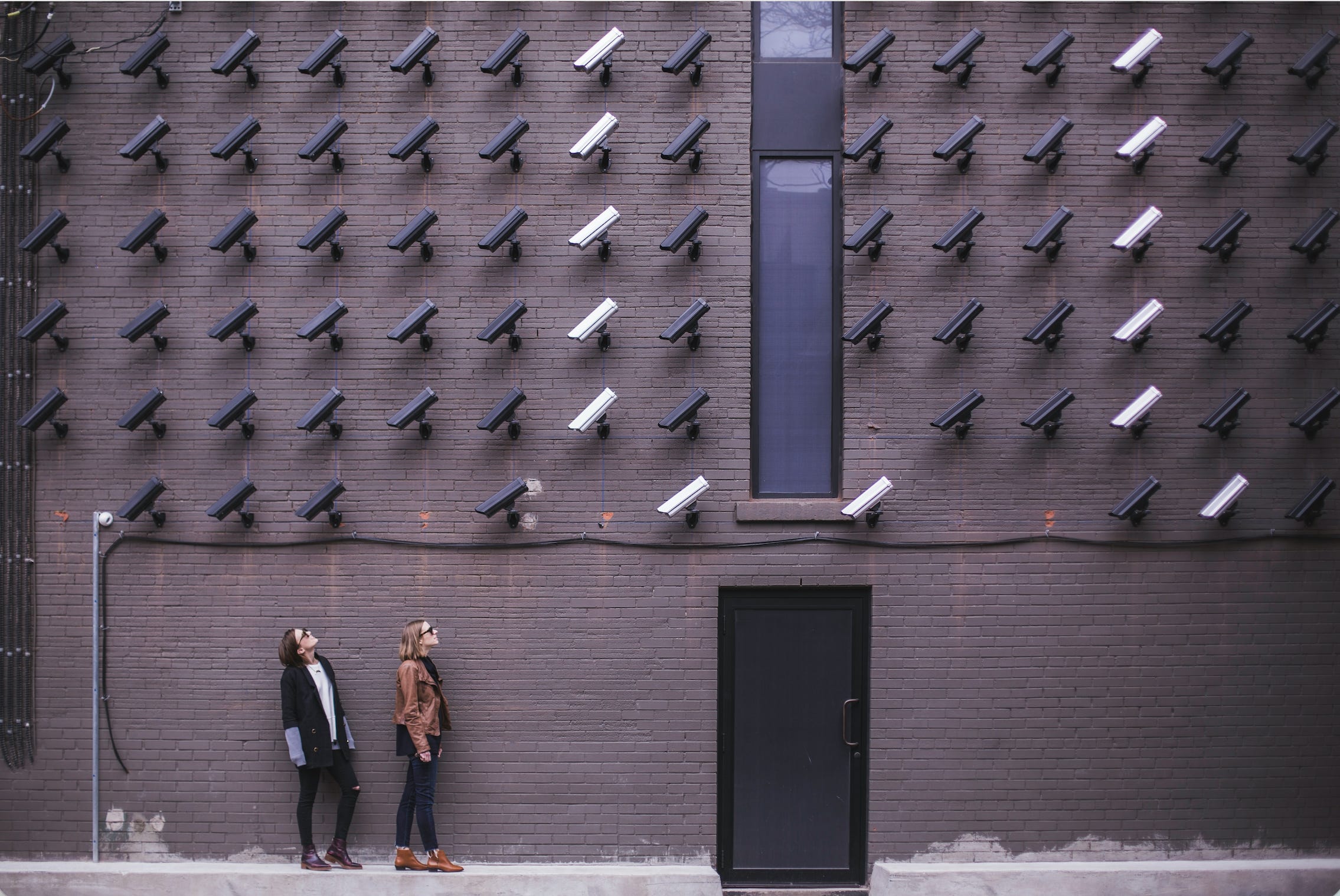
I read in the news recently that a couple had been staying in a hotel. Unbeknownst to them, they were being filmed on a hidden camera in the ceiling. The boyfriend only found out because he paid for a porn service, “thinking it was fake.” That’s when he saw himself and his girlfriend.
They were staying in a hotel: a private space. But someone had hidden a camera in the room. The space was no longer private.
With today’s technology, we don’t just need to worry about people. Our devices are taking away our privacy. Apps collect data after getting our consent (even if it is buried deep in a privacy policy).
Our phones, apps, AI and social media are collecting data on us based on everything we do. Companies can predict exactly what we want when. Our phones are connected to the internet and have a microphone and camera. Who knows who has access to that data? Our data is searchable, completely archived and available to anyone with admin access (potentially: law enforcement, government, hackers, platform admins) to certain social media networks. That alone should scare us.
Not only that, but people post more on social media, sharing all the most important parts of their lives. Some people go a step further and share everything. Normally, this is harmless, but bad actors can exploit social media. There have been a few cases where people who share their runs on Strava have given away where they live and the routes they run regularly, giving muggers a great opportunity.
The threat keeps building. Every few months, AI gets more powerful, new social media platforms come out, and new devices and chips are released.
Throughout history, we have had to trust people. Doctors, psychologists, accountants and lawyers. These were people who knew our deepest secrets. They were bound by strict laws preventing them from sharing client information. Records were kept on paper, so they were not vulnerable to data breaches or hacks. The closest thing people had to a data breach was town gossip. Before, trust was placed in individuals, now it is placed in big companies.
The first digital data collection was done by loyalty cards. You needed a loyalty card to receive offers or collect points. There was a debate at the time over whether it was worth sacrificing privacy for a few pennies off a shop. Now you need a loyalty card to get offers.
Now, hospitality companies have found a way to get our data without even giving us rewards. They can also save on staffing costs by having a QR code take our order.
Social media was the next debate. It too has become familiar now. There is a new distrust: AI. Don’t share private information; it will be used to train it. What happens when the company gets bigger? When regulations change?
I know it is bad, but I share everything with AI. I share medical, general, and personal problems. Things I would never share with another human being, or even a doctor. I am aware of the risk. In the moment, I don’t care; I just want the problem to be resolved. Or my curiosity to be quenched. There have been two occasions when I wouldn’t have seen a doctor if not for AI.
If I have to sacrifice my privacy, I am fine with that. I trust companies to act properly. We already have to put trust in companies every day. For me, privacy is just another thing to entrust to, like we trust public transport companies and airlines with our safety.
There is a difference between trust and naivety. Trust is knowing the circumstances and risks; naivety is assuming companies will always act in our own best interests.
There are already very strong data protection laws. Laws that mean pictures of shoplifters cannot be displayed in shop windows, as they are in the rest of the world, to protect shoplifters’ rights. We already live in one of the most heavily regulated regions in the world for the storage and sharing of personal data.
Some data breaches are inevitable, just as some plane crashes are inevitable. That doesn’t mean they will happen a lot; they shouldn’t. They should be rare, controlled, and the victims compensated. Companies and the government should learn from their mistakes and ensure that the same exploit/cause will not happen again.
We are lucky we live in a country with a free press, where journalists regularly challenge and hold companies to account. With the legal regulation, this is why I place so much trust in these companies.
The fact is, we have to trust these companies. Those doctors who deal with our personal issues are recording our problems in their systems. Whether we like it or not, big corporations hold our data.
In a world where we have to rely on technology and trust big companies with our most personal information, it feels like we are paying a high price, trading privacy for convenience. But there are advantages: our lives are easier. I personally—I am fine with it, but it feels like I shouldn’t be.
Thanks for reading. If you enjoyed this essay, consider subscribing. I publish new essays every Tuesday, Friday and Sunday on current affairs, culture, masculinity and politics.