Policing by Consent
When crimes are no longer seen as wrong, why do we expect the police to care?

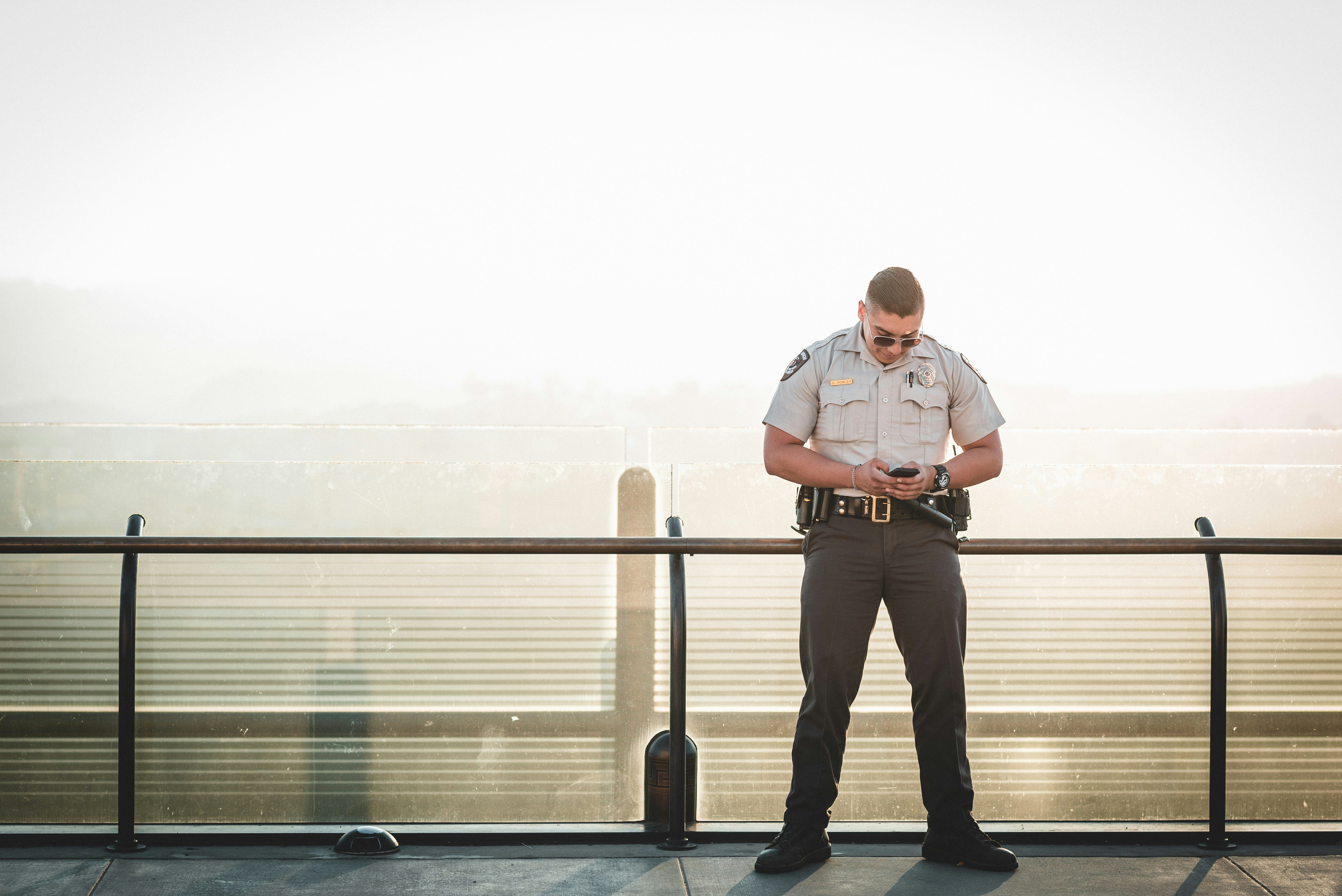
“If an Indian was getting scammed in London, the police would help them,” I said to a police officer at a service station.
He had already told us that our Uber driver was overcharging us because we were foreign. Still, he refused to help, walking away when our driver came back from eating.
Our driver was trying to charge three times as much in tolls as there actually were, more than Uber, the police, bystanders in the car park, Indian friends I called in England, ChatGPT, official toll websites and the signs on the toll booth themselves said.
The driver was adamant until the end when he caved after an awkward four-hour drive. He showed me obviously faked text message receipts from a mobile number, making me feel insulted he thought I was that stupid.
It was a tenner difference (GBP). I felt stingy.
The police officer had told me that I should negotiate the toll prices.
How do you negotiate a toll price? Surely, they are fixed. When we drove through the toll booth, I didn’t see the driver negotiating.
I thought about why the police officer didn’t help more and didn’t get involved.
When we messaged the hotel we were staying in, they claimed that the driver was right. They themselves were trying to also sell us an inflated taxi ride, with “tolls included.”
By agreeing that the driver overcharging us was correct, they could then sell us a ride for the way back.
I asked my Indian friends why this overcharging is so widespread. I was told that the ones doing it don’t see it as dishonest. They see us tourists as wealthy, and think that the extra money charged doesn’t mean much.
And to be fair, it doesn’t.
But still.
I was reading The Analects by Confucius. A theory is that society is a reflection of how people are on an individual level.
The book, paired with my experience made me understand the concept of “policing by consent”.
If a society thinks that a crime is not a crime, then it isn’t the police’s job to police it.
In England, we have seen the effective decriminalisation of theft under £200, possession of cannabis, fare evasion and antisocial behaviour.
Watching people talking online about how you shouldn’t stop someone stealing baby milk, I thought back to my time in retail, where I saw people clearing entire shelves of the stuff, making no effort to look at the brand or age range.
These people were driving up the price of baby milk for honest people. But society defended them. In many poorer countries, there is far less public sympathy for repeat shoplifters.
I keep seeing news articles about police funding and competence. There are relatively few about societal attitudes towards these crimes.
You can throw all the funding in the world at the police, but they will not be able to do their job properly if every time they use force against people committing petty crimes, there is massive backlash.
Offenders increasingly know that if a confrontation is clipped into a short viral video, public attention can quickly shift from the original offence to the police response. They also know the police are aware of this.
There is a serious debate to be had whether this is a majority of people or just the people who are making the noise are the loudest.
Some activist movements now openly justify criminal damage or theft if they believe the cause is morally righteous.
I recently saw a video of a lady getting arrested. She had taken food of the shelves and delivered it to another store’s food donation bin. She was telling the camera that she was being arrested for “no reason.”
Even if you agree with her and the thought behind it, how can you claim that it was for “no reason”?
What are police supposed to do, when do these activists actually want the police to intervene?
Probably when they themselves get stolen from.
In developing countries, there are much more people living in poverty, sometimes extreme poverty—something which we don’t have in England. People there don’t need to steal. They have a better sense of community, something we need. People should be leading by example, helping with their own money.
It is this belief, not the money itself that made me argue over such a small amount.
I do still feel embarrassed arguing over the equivalent of a tenner after a four-hour drive. What bothered me was the expectation that I should accept being lied to because I was visiting, and the feeling that nobody around me saw it as wrong enough to intervene.
Instead of headlines commenting on the shortcomings of the police, maybe we should be addressing a deeper issue: the fact that they are losing their mandate from the public to police petty crime.
The worst part is the victims are overwhelmingly workers on minimum wage and the most vulnerable members of society.
Because a society that stops taking petty crime seriously does not become more compassionate. It simply shifts the cost onto ordinary people.
Thanks for reading. If you enjoyed this essay, consider subscribing. I publish new essays every Tuesday, Friday and Sunday on current affairs, culture, masculinity and politics.